

Obsessive-compulsive disorder (OCD) is a disease wherein people have obsessions, that are habitual, undesirable and ugly mind, thoughts, urges, or pics. To put off the thoughts, humans with OCD feel pushed to do something repetitively (i.e., carry out a compulsion, additionally known as a ritual). The obsessions and compulsions — consisting of hand washing/cleaning, checking on matters, and mental acts like counting — are complex. They may be time eating (as an example, take greater than an hour a day), purpose widespread emotional misery, or significantly intrude with someone’s daily sports including social interactions.https://en.wikipedia.org/wiki/Obsessive%E2%80%93compulsive_disorder
Obsessions;
Obsessions are unwanted, intrusive, recurrent, and continual thoughts, urges, or images that reason distressing emotions together with anxiety, fear, or disgust. the general public with OCD recognize that these mind are a fabricated from their thoughts and that they’re immoderate or unreasonable. but, the misery that those intrusive thoughts purpose can’t be resolved by way of logic or reasoning. most of the people with OCD attempt to ease the misery of the obsessional questioning via doing compulsions. as an example, in the event that they worry that they’ll be infected through touching such things as doorknobs, they may compulsively and excessively wash their fingers. they may also try and ignore or suppress the obsessions or distract themselves with different activities.Examples of common content of obsessional mind:
- Worry of infection by using human beings or the environment.
- Non- secular, regularly blasphemous, mind or fears.
- Worry of perpetrating aggression or being harmed (self or loved ones).
- Excessive worry some things are not entire.
- Excessive issue with order, symmetry, or exactness.
- Fear of losing or discarding something critical.
- Also can be reputedly meaningless thoughts, images, sounds, words or tracks.
Complusions;Contact
https://iocdf.org/about-ocd/Compulsions are repetitive behaviors or mental acts that a person feels pushed to carry out in response to an obsession. The behaviors normally prevent or reduce a person’s misery associated with an obsession briefly, and they’re then much more likely to do the same in destiny. Compulsions can be immoderate responses which can be directly associated with an obsession (consisting of immoderate hand washing because of the fear of infection) or movements which are absolutely unrelated to the obsession. in the maximum extreme instances, a regular repetition of rituals might also fill the day, creating a normal habitual impossible.Examples of compulsions:
- Immoderate or ritualized hand washing or showering.
- Repeated cleansing of household gadgets.
- Excessively ordering or arranging matters in a selected way.
- Again and again checking locks, switches, appliances, doors, and many others.
- Frequently in search of approval or reassurance.
- Rituals associated with numbers, consisting of counting, repeating, or doing things a certain number of times (as an example, three times).
- Human beings with OCD can also avoid positive humans, locations, or situations that reason them misery and cause obsessions and/or compulsions.
- For instance, they may avoid going out of the residence due to the fact they obsess approximately contaminating the residence and own family members once they go back.
- Avoiding this stuff may also in addition impair their ability to characteristic in existence and may be negative to different regions of mental or bodily health.
Diagnosis of OCD;
Only trained therapists can diagnose OCD. Therapists will look for three things:
- The person has obsessions.
- She or he does compulsive behaviors.
- The obsessions and compulsions take a whole lot of time and get within the way of important sports the individual values, inclusive of working, going to high school, or spending time with buddies.
Treatment of OCD;
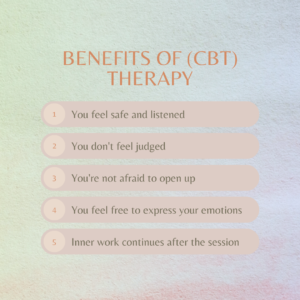
The 2 main treatments are: talking therapy – usually a type of therapy that helps you face your fears and obsessive thoughts without “putting them right” with compulsions. medicine – usually a type of antidepressant medicine that can help by altering the balance of chemicals in your brain.




Leave a Reply