

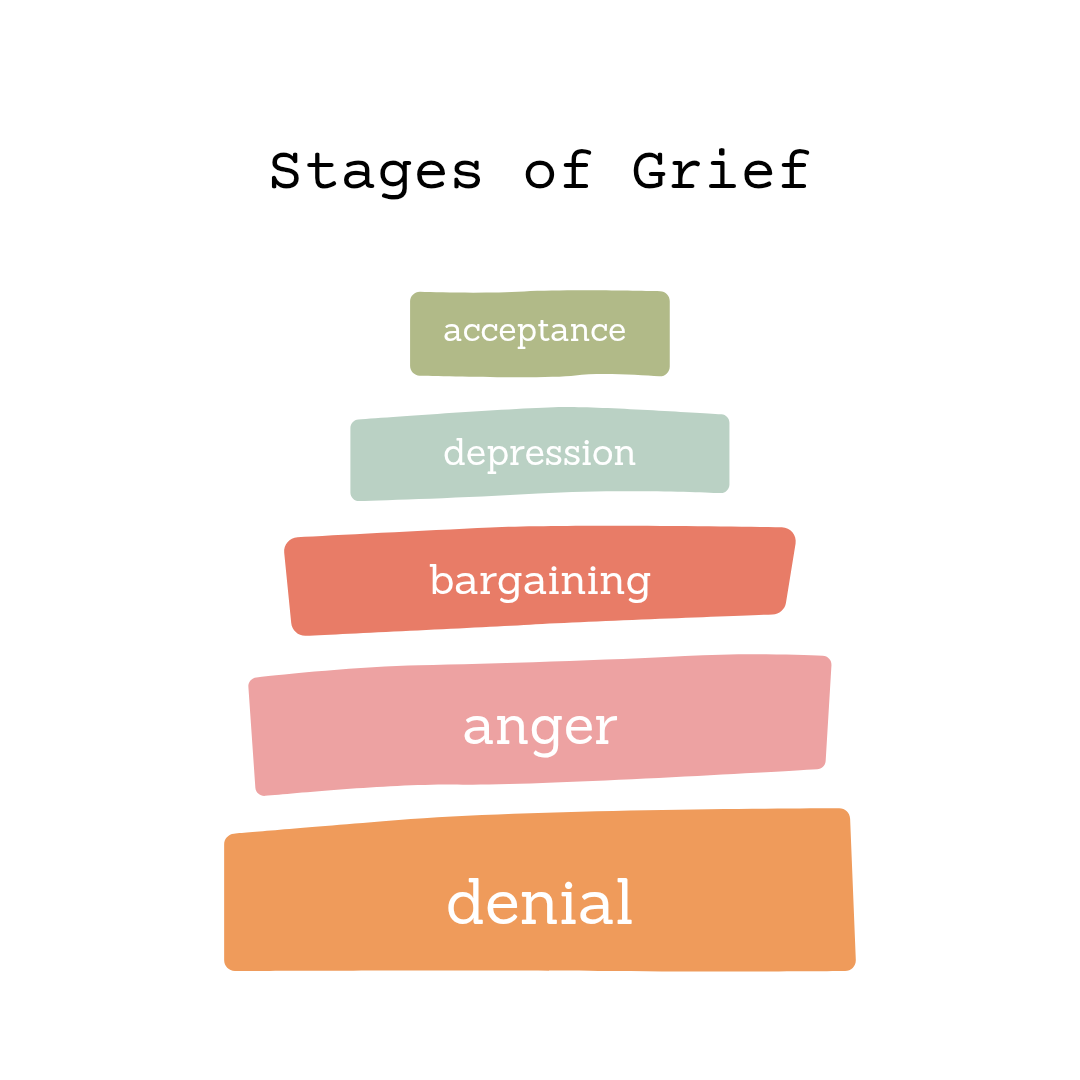
Grief is the experience of handling loss. Maximum people think about grief as taking place inside the painful length following the loss of life of a loved one. But grief can accompany any occasion that disrupts or demanding situations our feel of regularity or ourselves. This consists of the lack of connections that contour us.
What is Grief in psychology?https://en.wikipedia.org/wiki/Grief
In psychology, grief is the natural, multifaceted emotional and bodily response to significant loss. it’s far a generic human enjoyment but is processed uniquely by using every man or woman, fashioned with the aid of private records, cultural background, the nature of the loss, and available social support. It is not a mental illness but a complicated, adaptive technique of fixing to a world that has essentially changed.there are 3 basic types of grief that are given below.
Types of Grief :
There are three basic types of grief that are given below;
- Normal grief: Grief in and of itself is normal. Any time you endure a loss, it’s the most normal thing in the world to have an affection of grief. There is a vast assortment of emotions that you may experience during your grieving process. Some of these can be physical, while others may be behavioral, emotional, or social.
- Complicated grief: takes place when your grieving manner does not flow all the way thru the steps of grief. It is highly prolonged and plenty more extreme, and it’ll typically have a giant effect for your potential characteristic. You might feel extra depressed and feature accelerated anxiety. With complicated grief, your reactions and behavior will probably enlarge for extremely long time intervals, with no improvement.
- Anticipatory grief Or anticipatory mourning: may be common place if you’re awaiting the lack of someone near you in the near future. To put together for the approaching loss, you may begin looking to envision existence without them. It may be mainly not unusual in cases while a person you care for is dealing with a terminal contamination.During anticipatory grief, you would possibly try and count on the way you’ll be reacting and mourning once your loved ones or cherished ones pass away. You may experience loss or maybe exceptional worry or emotion for the death character.
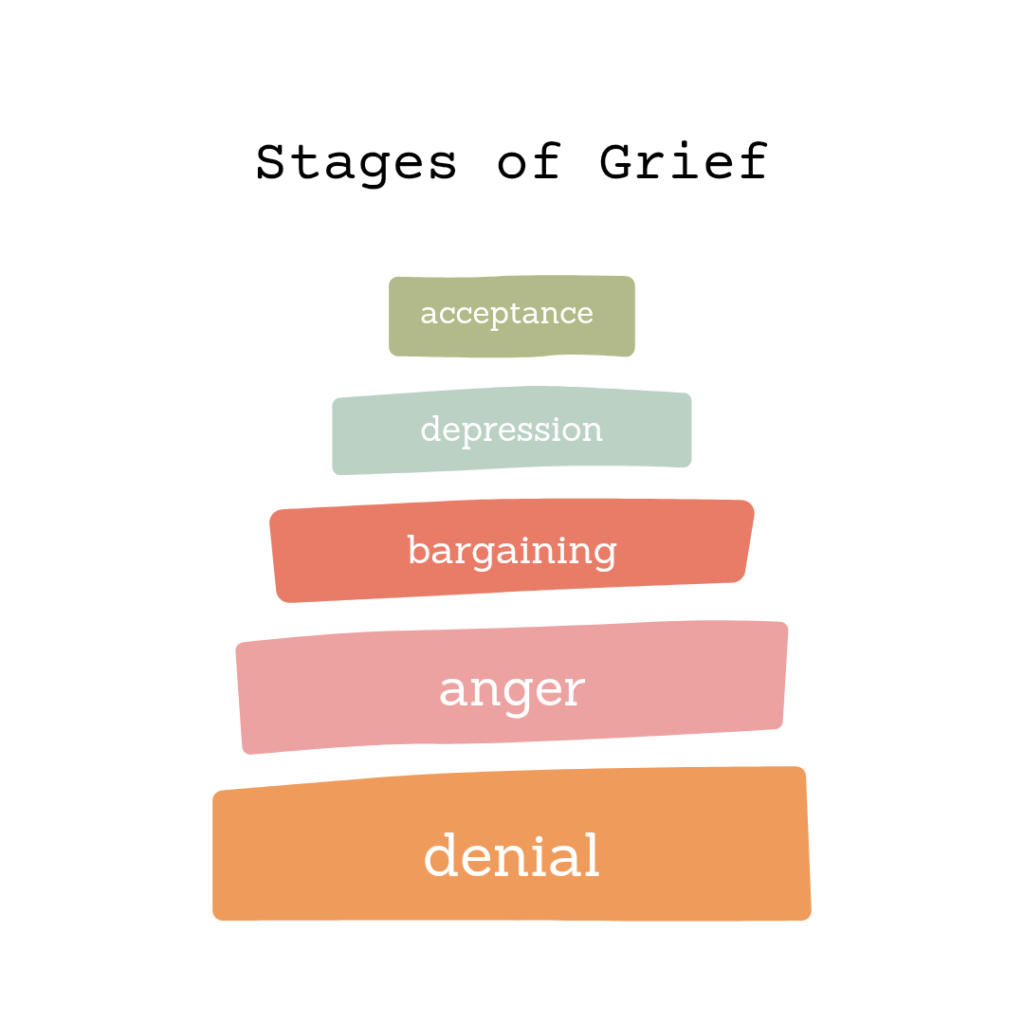
Stages of grief :
Signs and symptoms of grief:
- Intense sorrow, pain and rumination over the loss of your loved one.
- Focus on little else but your loved one’s death.
- Extreme focus on reminders of the loved one or excessive avoidance of reminder.
- Have trouble carrying out normal routines.
- Experience depression, deep sadness, guilt or self-blame.
- Believe that you did something wrong or could have prevented the death.
When to see a doctor :
Contact your doctor or a mental health professional if you have intense grief and problems functioning that don’t improve at least one year after the passing of your loved one.





Leave a Reply