

Table of Contents
pro-social behavior is any voluntary work intended to gain every other person or society, encompassing acts like helping, sharing, cooperating, comforting, and donating, pushed via empathy, social norms, or non-public relief, and is critical for effective social development and community bonds. while distinct from natural altruism (which has no self-benefit), pro-social acts construct consider, harmony, and superb relationships, and may be stimulated by means of inner feelings or external elements like cultural values.Blog
2: Core Principles of pro-social behavior;
Empathy: The capacity to apprehend and proportion others’ emotions, motivating compassionate responses and care for others’ suffering.
Altruism: Selfless helping without expecting private reward, pushed purely by using problems for another’s welfare.
Reciprocity Norm: the expectation that helping a person will lead to them helping you in destiny, fostering mutual help.
Internalized moral Values: strong personal beliefs in fairness, justice, and treating others humanely, prompting moves like being concerned and supporting family members.
Evolutionary basis: assisting genetic loved ones to make sure shared genes survive, explaining innate tendencies to shield family.
Collectivism identification: A sense of shared purpose and responsibility for the institution’s nicely-being, encouraging cooperation.
https://www.verywellmind.com/what-is-prosocial-behavior-2795479
3: Advantages of pro-social behavior;
Pro-social conduct not most effective contributes to the nicely-being of others, but it additionally has profound advantages for the character acting those actions. undertaking Pro-social sports often results in multiplied degrees of happiness and pride. it could decorate our temper, lessen pressure, and even enhance our physical health. Folks that have interaction in volunteer work have lower mortality costs and are less likely to be afflicted by depression. Pro-social conduct also can contribute to a more potent sense of private efficacy, as individuals understand their capacity to make a high-quality effect. The impact of pro social behavior extends past the individual level to groups and societies at large.
https://nobaproject.com/modules/helping-and-prosocial-behavior
4: Examples of pro-social behavior;
- Helping: Assisting someone with heavy lifting, running errands for an elderly neighbor, or helping someone who fell.
- Sharing: Giving toys, food, or books to others, or dividing resources fairly.
- Volunteering: Donating time to a shelter, helping at a food bank, or participating in community clean-ups.
- Cooperation: Working together in a game, group project, or towards a common goal.
- Emotional Support: Comforting a crying friend, offering encouragement, or listening to someone’s problems.
- Donating: Giving money, blood, or goods to those in need.Kindness: Speaking gently, showing empathy, or performing random acts of kindness like paying for someone’s coffee.
- Mentoring: Guiding a younger person or sharing expertise.
- Environmental Care: Planting trees or taking care of animals.
5: Activities to Develop Pro-social Skills;
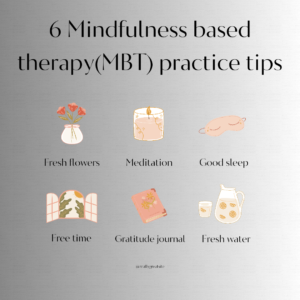
- Gratitude Practices: Keeping a gratitude journal or creating a classroom periodical for notes of thanks.
- Skill Building: Learning First Aid to feel prepared to help in emergencies.
- Modeling: Parents and adults consistently demonstrating kindness and helpfulness.
- Empathy Exercises: Games like staring contests to improve active listening and eye contact etc.
- Activities: Participating in clubs, sports, arts, or camps to learn collaboration

Leave a Reply